

will be offered August 8thā€“November 4th, 2023 through Pacifica Online. Pacifica has been a trailblazer in offering a series of ecopsychology and ecotherapy online courses that make this material accessible to practitioners and the broader public. Linda Buzzell, LMFT, will be one of thirteen scholars leading this certificate. Iā€™m delighted to speak with her and find out more about her work and teaching.
Angela: Youā€™ve been a psychotherapist for over 40 years and an early pioneer in ecotherapy since the late 1990s. The book you co-authored, Ecotherapy: Healing with Nature in Mind (Sierra Club Books, 2009), is one of the earliest in the field. What is the basic premise of ecotherapy and what is the connection between nature and healing?
Linda: Ecopsychology is the study of the human-nature relationship, and ecotherapy focuses on the healing of that relationship. There are so many ways that nature is a healing force in our lives; and of course, weā€™re not separate from or superior to the rest of nature. Sadly so many people have forgotten this, which is why weā€™re in such a mess with our relationship with nature both within ourselves and in wider contexts. Itā€™s an axiom in ecopsychology and ecotherapy that ā€œWhat we do to the rest of nature we do to ourselves.ā€ Ecotherapy focuses on healing not only at the individual and community human levels, but also on the wider collective levels, as climate psychology does. We need to come to terms with the poor state of the health of nature within and around usā€”and how thatā€™s impacting both people and other beings all over the planet.
Angela: Iā€™m sure many people would agree that going for a hike can be magical, deeply restorative, and certainly, therapeutic. Itā€™s hard to come away from green time without your mood lifting. Some psychologists at Pacifica posit that the natural world is part of our psyche or an extension of it. How do you see that?
Linda: I totally agree that there is no separation. Psyche is not limited to the human brain; there is psyche in all beings and things. Waking up to the awareness that all things are sentient or have soul or psyche radically changes how we feel about ourselves and the rest of existenceā€”and how we act. Itā€™s profoundly healing physically, emotionally, and spiritually to consciously immerse ourselves in deep connection with many aspects of the rest of natureā€”and scientific studies confirm this.
For example, profound communication and healing can happen between forest and human. One of the things ecotherapists often prescribe for many conditions is a healing forest walk, and as we gain a deeper respect for all life and our intimate InterBeing, we may learn to pause before entering the forest and acknowledge the psyche there and ask permission to enter. This is such a different attitude from what many of us have been brought up withā€”a kind of cultural humility towards all beings, human and more than human.
There are many ways that deep, heart-open communication with any aspect of the rest of nature can be profoundly healing to human beings, but there are many more issues that ecotherapy can also help us deal with. A personal and professional transformation can happen when we recover from ā€œthe big lieā€ that humans are separate from and superior to the rest of nature. That lie has given privileged people in industrial societies an excuse to exploit anything or anyone they want with no consequences. But weā€™re starting to realize that if you treat the rest of nature badly, it comes back on all of us. There is no human health possible on a sick planet. Weā€™re in the middle of what some people call the polycrisis, as more and more of us understand that the planet is not well and neither are we. This is part of what weā€™re hoping to deal with in the fields of ecopsychology, ecotherapy and climate psychology: How can ecotherapists help people deal with eco-grief, eco-despair, eco-trauma, and eco-anxiety as the effects of our mistreatment of all of nature come crashing down on us? How can we find a way forward to a future where we can all thrive?
Angela: So what would an ecotherapy session look like?
 Linda: Ecotherapists tend to ask different questions than traditional psychotherapists, and suggest different healing methods. For instance, in an intake session an ecotherapist might inquire not only about the clientā€™s current and past human relationships but also about relationships with nature and other natural beings. One question that often opens the emotional floodgates is: When in your life have you felt closest to something sacred? In many cases this may involve some aspect of the rest of nature: the love of a cherished companion animal, a profoundly moving meeting with a wild creature, or a deep experience in forests, gardens, oceans or mountains. Traditional Western therapy hasnā€™t necessarily understood the importance or healing power of being connected to all of life.
An ecotherapistā€™s ā€œprescriptionsā€ may also differ from conventional, anthropocentric Western psychotherapy practice. Often they involve creative ways of helping people discover deep connection and communication with some aspect of the rest of natureā€”everything from forest walks to equine-facilitated ecotherapy to water immersion to community gardening.
And of course, not all ecotherapy involves traditional therapists or counselors. Nature guides, outdoor educators, medical professionals, nutritionists, ecospiritual practitioners and many other healers, wellness coaches, and trainers are now including this important healing work in their practices.
Just as one example, my husband and I are trained in permaculture and we have a backyard food forest. Iā€™ve worked with clients in the outdoor ecotherapy office that is part of this forest garden. Even traditional therapy when done in an outdoor space is transformed. Itā€™s not two or three people in a rectangular, human-created room. Youā€™re opening up the whole session to all the entities surrounding you, and that changes the dialogue and focus of the process. Some ecotherapists consider nature as the ultimate therapist, and we discover that she is a powerful guide, teacher, and healer, no matter what the presenting problem may be. This shifts the relationship between the therapist, the client, and the rest of nature in some exciting ways.
Angela: Pacifica certainly values and carefully cares for its green spaces. How does that impact your work here?
Linda: Pacifica is such a special place. The campuses are extraordinary and the natural places are so beautifully respected and tended. The land has a special feel and the longer weā€™re there, the more it begins to communicate with us. The key to that communication is whether or not weā€™re listening. Thereā€™s something about the two Pacifica campuses that allows us to slow down, become mindful and open our souls and senses in ways that arenā€™t common elsewhere. For example, when we did the first Ecotherapy Certificate course in 2015, we did a lot of the work outdoors under the trees, and I think everyone felt embraced by the beauty and the land.
Angela: If nature is, indeed, intimately intertwined with our well-being, what do we owe nature? What is the agency role of the human in this dynamic?
Linda: We humans canā€™t exist without healthy nature within us and around us. Itā€™s a relationship that has to be reciprocal, the same way any good human relationship is. What do we owe our mothers and fathers? What do we owe the wider ā€œMotherā€ nature without whom we die? Itā€™s a duty of care and love, and a joyful one. There are so many cultures around the world that teach this to their children. But in modern Western and even global industrial culture, we have forgotten how to teach that deep understanding and respect for nature to our children. And itā€™s gotten the world into a life-threatening situation.
How can we regain that sense of a duty to care? Thatā€™s whatā€™s missing from many cultures right now. We donā€™t seem to think we have to care for one another or for the rest of nature, and of course thatā€™s a recipe for disaster. In ecotherapy, climate psychology, ecopsychology, and even ecospirituality, weā€™re trying to help people recover from this tragic disconnection, helping us get back to a right relationship with all of nature, learning deep humility within the wider world of nature. We have to know our place within the grand scheme of the cosmos. That can heal, inspire and activate us.
Angela: The Advanced Training Certificate features a wide range of speakers, including you. What will the certificate focus on?
Linda: The focus of the 2023 Advanced Ecotherapy certificate is the cutting edges of ecotherapy. We have thirteen speakers from lots of different arenas within ecotherapy. For example, Dr. Rosalind Watts will bring us up to date on how psychedelics can deepen our relationship with the rest of nature with transformative results. Dr. Jeanine Canty will explore how we can recover from eco-narcissism. Jennifer Udler, LCSW, author of the new book Walk and Talk Therapy, will guide us through whatā€™s involved in taking our practices outdoors. Many other stellar speakers will talk about many more areas where ecotherapy is expanding. Itā€™s a rapidly growing field, and Iā€™ll be talking about how exciting it is in the field right now as people apply this modality to more and more areas of life.
Angela: Who is the right kind of person to participate in the certificate? Can anyone sign up?
Linda: I welcome everyone to get involved. In the courseā€™s weekly live peer consultation groups, a few days after the live presentations with our speakers, we focus on helping each student discover the ways theyā€™re being called to do this work, whether through psychotherapy outdoors, art therapy, somatics, wilderness work, community gardening, education, health coaching or any other modality. Everyone discovers their own way to apply this learning to their lives and practices, depending on their passions, experience and special talents. So we individualize the experience. This is why we have live online peer consultation sessions each week, in addition to the live lectures and Q&A with the speakers, as this allows people to think about and go deeper into how this is going to fit into their life and how theyā€™ll put this into practice. Thatā€™s why the course is not just limited to therapists, although of course weā€™ll have a lot of information for clinicians as well. Iā€™m looking forward to meeting everyone and working together on this!
Angela: Thank you so much for your time, Linda. I look forward to the Advanced Training Certificate: Ecopsychology.
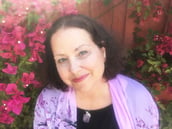
Angela BordaĀ is a writer for °µĶų³Ō¹Ļ, as well as the editor of theĀ Santa Barbara Literary Journal.Ā Her work has been published inĀ Food & °µĶų³Ō¹Ļ, Peregrine, Hurricanes & Swan Songs, Delirium Corridor, Still Arts Quarterly, Danse Macabre,Ā and is forthcoming inĀ The Tertiary LodgerĢż²¹²Ō»åĢżRunning Wild Anthology of Stories, Vol. 5.

Linda Buzzell, LMFT, has been a psychotherapist for more than 40 years and has specialized in ecopsychology and ecotherapy since 2000. She and Craig Chalquist edited the Sierra Club Books anthology Ecotherapy: Healing with Nature in Mind, a core text in clinical ecopsychology. She is a member of the editorial board of Ecopsychology, the peer-reviewed journal of the field. Linda is Adjunct Faculty at °µĶų³Ō¹Ļ, where she taught Pacificaā€™s first Ecotherapy Certificate program in 2015. She was a featured presenter with Joanna Macy at Holos Instituteā€™s 2017 Ecopsychology Conference in Petaluma, CA and at the 2014 Ecotherapy Symposium at the University of Brighton in the UK. In 2002, she founded The International Association for Ecotherapy and edited its journal Ecotherapy News for many years. She blogged on ecopsychology and ecotherapy for 7 years at Huffington Post and is an Admin on the 10,700+ Facebook group ā€œEcopsychology.ā€
